

By Peter Kray
This is an excerpt from a feature published in the Spring 2026 Issue of 32 Degrees. To access the full issue, click here.
When Telluride-based ski instructor and PSIA-AASI trainer and examiner Jimbo Lyman came to Ski Santa Fe to lead a clinic with me and eight other snowsports school new hires, we all felt as if we were setting off on a new adventure.
Not only were we getting to know each other better – most of us in the 50-plus age range with recent careers in science, sports, and media – we were also learning new ways to talk about and teach skiing for the benefit of ourselves and others.
“I’m finally living my dream of being a ski instructor,” said Sylvia, a PhD who had taken an early retirement to drive up to the mountain three times a week from Albuquerque.
By the end of the day with Jimbo, we had formed a study group with our sights set on Level I certification. We had
elevated our movement analysis skills, as well as our understanding of alpine biomechanics, and we all felt like we were ready to help expand the snowsports community.
The only catch? When the lifts stop at Santa Fe, that community drives away.
An Island on the Hill
Just 16 miles from the bustling destination town of “The City Different,” known as much for its internationally recognized art market as its deep history, the ski basin has ready access to full- and part-time seasonal staff, despite no on-hill accommodations, which means the area empties out quickly at the end of the day.
Still, Saturday and Sunday morning clinics before the public has access to the lifts, a cozy locker room, and daily morning meetings, which always end with a joke, foster a real sense of camaraderie. And it’s not like working at some of the bigger areas in Colorado, such as Copper Mountain, where just finding affordable accommodation is critical according to AASI Snowboard Team Development Coach and trainer Tony Macri.
“One thing Copper does to recruit and retain talented instructors is to be very active in the lodging search for employees,” said Macri. “They look for cheaper larger homes to be able to place several instructors together and also obtain several spots in employee mountain lodging. This is a game-changer as living in a Colorado mountain town can be difficult as a new ski or snowboard instructor.”
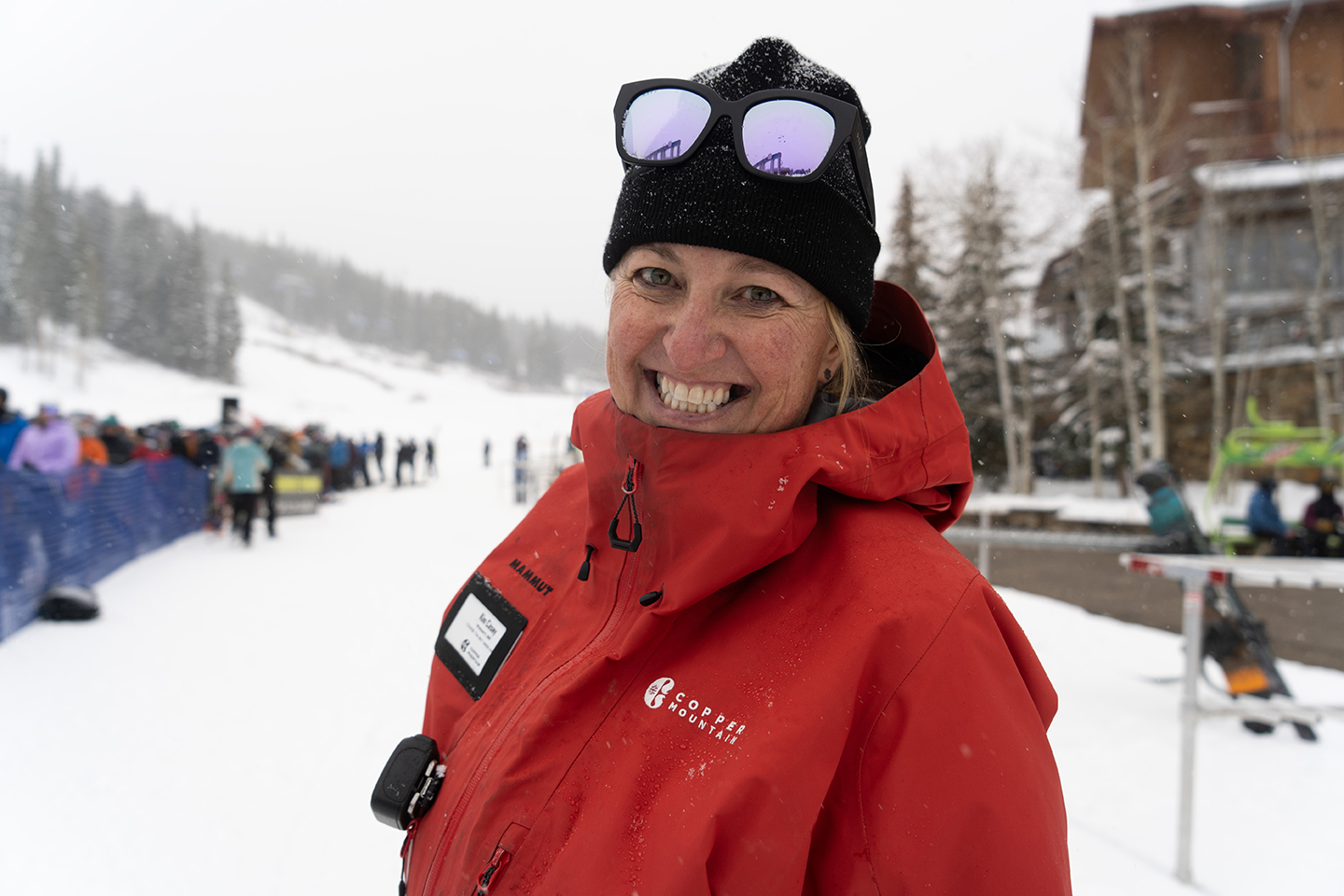
Nurturing relationships with instructors throughout the year is paramount according to Copper Mountain’s director of mountain sports, Kim Casey, who said that having a robust training schedule is also key to retaining staff, as is year-round communication and off-season “meet ups” which “Resulted in an 87 percent return rate for the school this year.”
“Instructors not only chase the next achievement of certification, but they also build very strong relationships to the resort trainers, even developing training families or small groups that train together toward similar goals,” said Macri.
“It’s great to see folks take their certification exams and then come back with that freshly shined pin,” said Macri. “It goes to another level when those first-year instructors come back year after year and eventually take on leadership roles to become supervisors or even trainers.”
Culture Is Community
Ask PSIA Telemark Team member Keith Rodney what makes a snowsports school stand out – especially when it comes to recruiting and retaining talented teachers, and he says that, “The thing I’ve noticed is that the stronger the culture is, the lower the turnover.”
“I would say that the culture is key to keeping the interest alive,” said Rodney, pointing to his home mountain of Mount Snow, Vermont, where 70 percent of the staff hang out year-round and make the trip to the mountain from an hour and a half to four hours away.
“It’s that community that’s showing we love that you’re here,” Rodney added. “To me it’s more akin to that feel when you walk into the house for Thanksgiving and recognize everybody.”
Read the rest of the feature here.