

As we head into a new snowsports season, Official Supplier Auclair is here to answer your questions about selecting the right gloves to fit your needs, as well as offering best practices for taking care of your gloves throughout the season and offseason. Thanks to Product Design & Brand Manager Marie-Pier Jolicoeur and Head of Brand & Marketing Philippe Auclair for their insight!
Q: What should instructors prioritize when choosing gloves for long days teaching, handling equipment, and riding lifts?
A: There are several things to consider when choosing the right gloves, including insulation, waterproofing, breathability, materials, reinforcements, and of course, fit. For ski instructors specifically, I would recommend a glove that offers a good level of insulation, but not too much. One of the most important things is really understanding your own hands. Do you tend to sweat a lot? Do your hands get cold easily? Do you have circulation issues? These are all factors that will influence the type and amount of insulation you need.
The goal is to find the right balance between warmth and breathability, so your hands stay comfortable and dry throughout the day, especially when you’re constantly switching between being active and sitting on a chairlift. You also want a glove that offers reliable protection against the elements, whether that’s snow, rain, or wind.
And finally, durability is a big one for instructors. Since you’re constantly handling equipment, adjusting bindings, and carrying skis, I would definitely recommend looking for gloves with durable outer materials and reinforced areas, especially on the palm, index finger, and thumb. At the end of the day, it’s really about finding the right balance between warmth, breathability, protection, and durability, based on your own needs.
Q: How should a glove fit? What are the signs it’s too tight or too loose?
A: Ideally, you want your fingertips to lightly touch the ends of the glove, but without feeling any pressure or discomfort. If you feel any tightness around your wrist, thumb, or fingers, it’s definitely worth trying a size up. One thing people don’t always think about is that our hands tend to swell a little during physical activity, so a glove that already feels tight when you try it on might become uncomfortable after a few hours on the mountain. You also want to make sure you’re not restricting blood circulation, because that can actually make your fingers colder, even if you’re wearing a really warm glove.
On the other hand, a glove that’s too loose isn’t ideal either. You’ll lose a lot of dexterity, and you won’t have the same control or grip when holding your ski poles or handling equipment. So really, the key is finding that sweet spot where the glove feels snug and secure, but still allows your hand to move naturally and comfortably.
Q: What are the practical differences between gloves, mittens, and three-finger designs?
A: Each design has its own advantages, and it really comes down to finding the right balance between warmth and dexterity. Gloves obviously offer the most dexterity since each finger can move independently. This makes it easier to handle equipment, adjust bindings, or do anything that requires a little more precision.
On the other hand, mittens are generally warmer because your fingers are all together in the same space, allowing them to share body heat. That’s why we often recommend mittens for people who tend to have cold hands or struggle with poor circulation.
And then you have three-finger designs, which are kind of the best of both worlds. They offer a great compromise between warmth and dexterity. You have three fingers grouped together to help retain heat, while your index finger stays separate, giving you more freedom of movement for one of the fingers you use the most when handling equipment.
Ultimately, it’s about understanding your priorities. If dexterity is your main concern, gloves are probably your best option. If warmth is the priority, mittens might be a better choice. And if you’re looking for something in between, three-finger gloves are a great alternative.
Access the Pro Offers page to get 50% off Auclair gloves
Q: How should someone balance warmth and dexterity? Is more insulation always better?
A: More insulation doesn’t necessarily mean a better glove. Again, it really comes down to understanding your own hands, your activity level, and what your priorities are. For example, if you’re doing a high-intensity activity or you’re someone who tends to sweat a lot, wearing a glove or mitten that’s too heavily insulated can actually work against you. Your hands can start overheating, which creates moisture inside the glove. And once that moisture builds up, especially if you take your gloves off in freezing temperatures, the inside can get really cold or even freeze. And that’s when things start going downhill, because it’s much harder to keep your hands warm once your gloves are wet.
Something interesting about glove construction is that many of our mittens actually have more insulation on the back of the hand than on the palm. This is intentional. It allows us to provide extra warmth where it’s needed, while keeping the palm less bulky for better grip and control when holding ski poles. So at the end of the day, it’s not about having the most insulation possible. It’s about having the right amount, in the right places, for the activity you’re doing.
Q: What’s the difference between waterproof and water-resistant gloves, and what maintenance does each require?
A: The main difference really comes down to how the glove is constructed and how much protection it offers against water. For example, a fully waterproof shell, like our Otter shell, features taped seams that prevent water from entering through the stitching.
Other gloves use a waterproof membrane, which creates a barrier against moisture while still allowing some water vapor to escape. The outer fabric also often has a water-repellent treatment that helps water bead off the surface. For high-intensity activities, breathability is especially important. You want to keep moisture from getting in, but you also need to allow the moisture generated by your hands to escape. Otherwise, you can end up with wet hands even if no water is coming in from the outside.
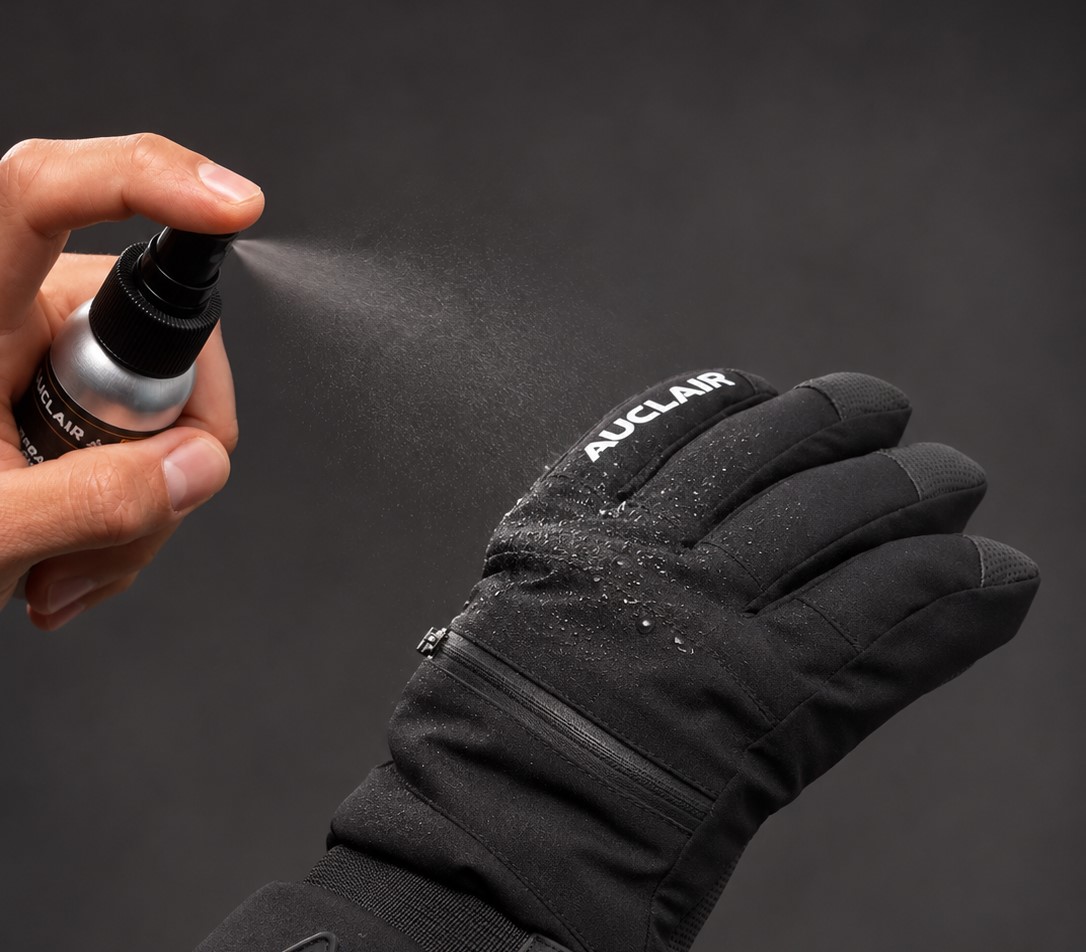
When it comes to maintenance, one of the most important things is making sure your gloves dry properly after each use. Ideally, you want to let them air-dry in a well-ventilated area, away from direct heat. It’s also important to maintain the water-repellent treatment on the outer fabric. Over time, this treatment can wear off, so reapplying a suitable DWR product can help restore its performance.
Q: What’s the best way to dry gloves overnight—and what should people avoid?
A: The best way to dry your gloves overnight is to let them air-dry in a warm, well-ventilated area, away from direct heat. One thing we always recommend is opening up the cuffs as much as possible to allow air to circulate inside the gloves. And if your gloves have removable liners, definitely take them out. This will help both the shell and the liner dry much faster. What you really want to avoid is placing your gloves directly on a radiator, near a fireplace, or using a hair dryer on high heat. Excessive heat can damage certain materials, especially leather, membranes, and adhesives, which can affect the performance and durability of your gloves.
If your gloves are made of leather, it’s also important to let them dry naturally, since too much heat can cause the leather to become stiff or crack over time. And one last tip: don’t leave your wet gloves stuffed inside your ski bag overnight! Even if they’re only slightly damp, giving them enough time and airflow to dry properly can make a huge difference the next morning. It’s a pretty simple habit, but it can really help extend the life of your gloves.
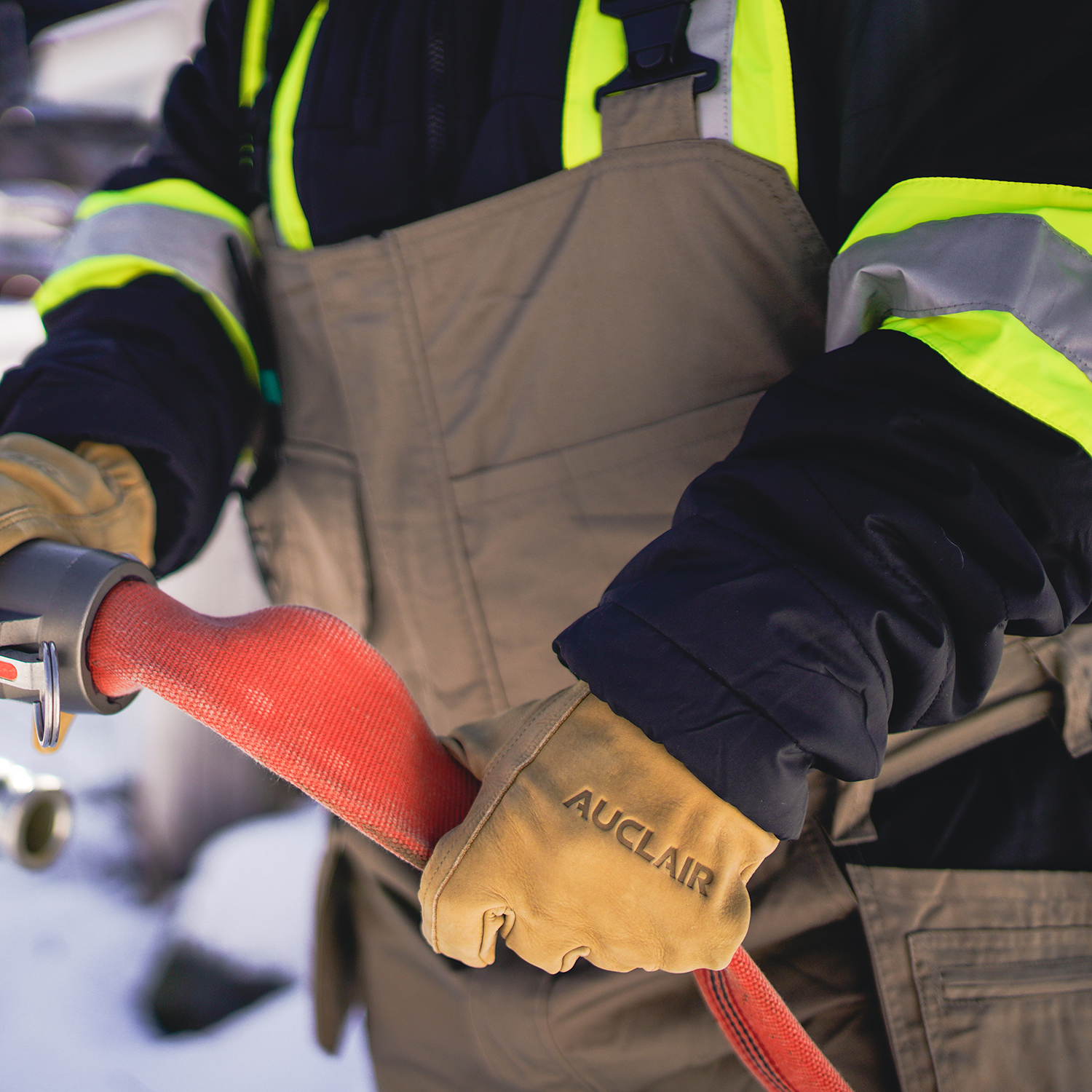
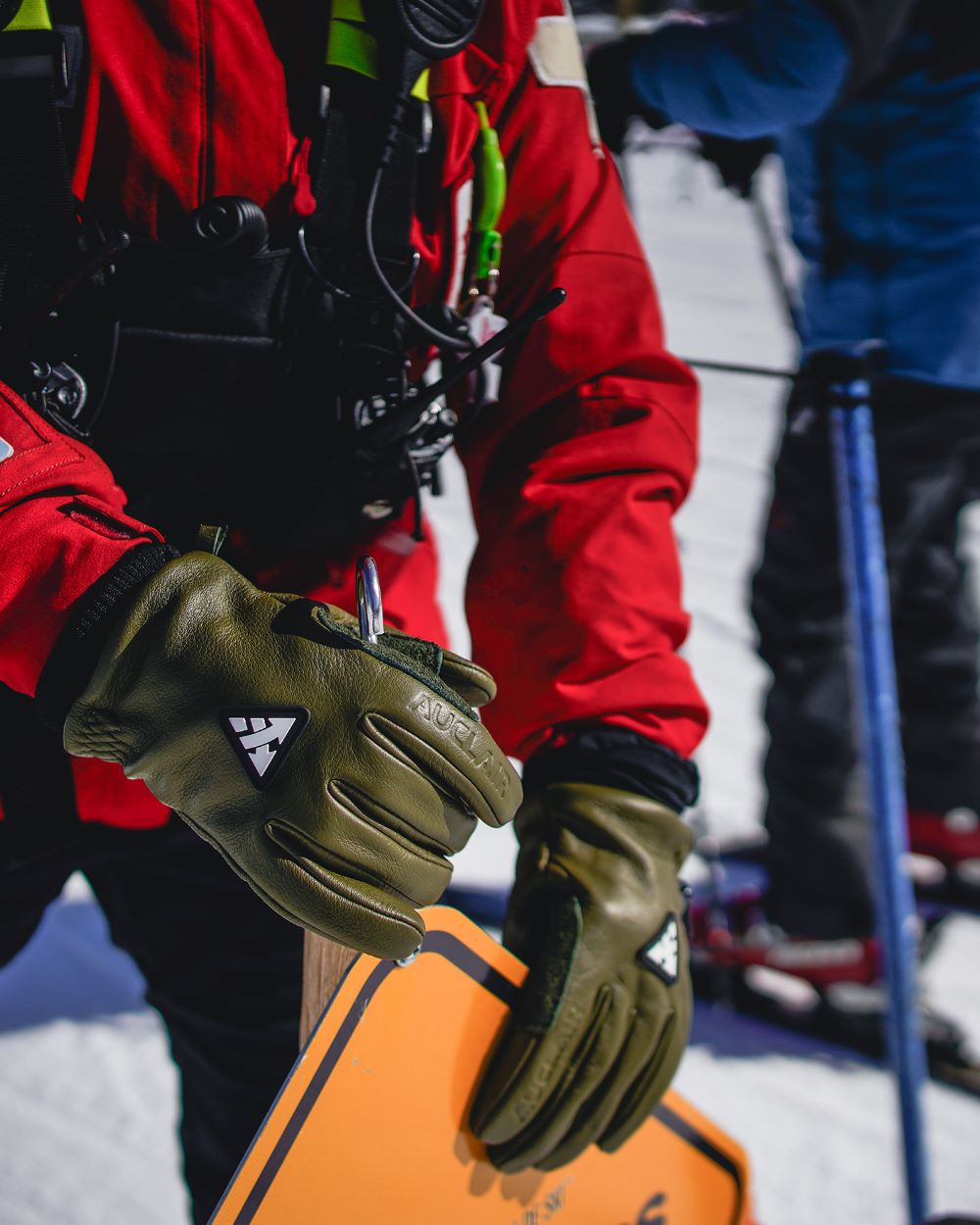
Q: How should members clean and care for leather gloves versus synthetic gloves?
A: Leather and synthetic gloves require slightly different care, but in both cases, the most important thing is to always follow the care instructions. For leather gloves, I would recommend gently cleaning the surface with a damp cloth to remove dirt and salt residue. You really want to avoid soaking the leather or using harsh detergents, since these can strip away its natural oils and cause it to dry out or become stiff.
It’s also a good idea to occasionally apply a leather conditioner that’s specifically designed for gloves. This helps keep the leather soft, flexible, and in good condition over time. Synthetic gloves are generally a little easier to maintain. Depending on their construction, some can be hand-washed or even machine-washed on a gentle cycle, using a mild detergent. However, it’s important to check the care label first, especially if the glove contains a waterproof membrane or special coatings. For both types, I would avoid fabric softeners, bleach, and excessive heat. And always make sure your gloves are completely dry before storing them. At the end of the day, taking a few minutes to properly clean and maintain your gloves can really help extend their lifespan and keep them performing the way they’re supposed to.
Q: When should they condition leather or refresh water repellency?
A: I would say it’s really about paying attention to the condition of your gloves rather than following a strict schedule. For leather gloves, if you notice that the leather is starting to feel dry, stiff, or less flexible than usual, that’s usually a good sign that it’s time to apply a leather conditioner. You don’t necessarily need to do this after every use, but checking your gloves regularly throughout the season is a good habit.
When it comes to water repellency, there’s actually a really simple way to tell when it’s time to refresh the treatment. If water no longer beads up on the surface and the outer fabric starts absorbing moisture instead, that’s usually a sign that the DWR treatment is wearing off. At that point, you can apply a water-repellent treatment that’s compatible with your glove’s materials. Just make sure the gloves are clean before applying it, and always follow the product instructions. And one important thing to remember is that losing water repellency doesn’t necessarily mean your waterproof membrane has stopped working. It simply means the outer material is no longer shedding water as effectively. So really, regular maintenance is all about recognizing those small signs before they start affecting the performance of your gloves.
Q: What habits help keep hands and glove interiors dry throughout the day?
A: I think one of the most important things, as we mentioned earlier, is choosing the right level of insulation for your activity. You don’t want your gloves to be too warm, because excessive sweating can create moisture inside, and once your gloves are wet, it’s much harder to keep your hands warm.
Another great option is adding a thin merino wool liner. Merino is naturally good at managing moisture, helping absorb and move sweat away from your skin while still providing some warmth. It can also be really practical because you can remove the liner to let it dry or swap it out if it gets too damp.
And of course, there are a few simple habits that can make a big difference throughout the day. Whenever you take your gloves off, try to avoid getting snow inside them. If you’re attaching your gloves to your backpack or leaving them hanging outside, always position them with the cuffs facing down. This helps prevent snow from falling inside.
Q: What signs suggest gloves need maintenance, repair, or replacement?
A: The first thing is to regularly check the overall condition of your gloves, especially if you’re using them almost every day. Some signs are pretty easy to recognize. For example, if the leather starts feeling dry or stiff, or if water is no longer beading on the outer fabric, it might simply be time for some maintenance. You should also pay attention to areas that experience a lot of friction, like the palm, fingertips, and thumb. If you notice loose stitching, small tears, or worn-out reinforcements, it’s worth looking into a repair before the damage gets worse.
Another important sign is when your gloves start losing their performance. If your hands are suddenly getting colder than usual, or you’re noticing moisture inside even when you’re not sweating, it might be a sign that the insulation or waterproofing system is no longer performing as it should. But that doesn’t necessarily mean you need to replace your gloves right away. Sometimes a simple repair, a new water-repellent treatment, or proper leather care can make a big difference.
At Auclair, we really believe in designing products that last, and taking care of your equipment is a big part of that. So I would always recommend looking into maintenance or repair first, and considering replacement when the damage is too significant or the glove can no longer provide the protection you need.
Q: How should gloves be stored at the end of the season?
A: The most important thing is to make sure your gloves are completely clean and dry before putting them away for the season. Even a little bit of moisture left inside can lead to unpleasant odors, mildew, or damage to the materials over time.
For leather gloves, it’s also a good idea to check the condition of the leather and apply a suitable conditioner if needed, so it stays soft and flexible during storage. Once everything is clean and dry, I would recommend storing your gloves in a cool, dry place, away from direct sunlight and excessive heat.
You also want to avoid leaving them compressed at the bottom of a ski bag for months. Ideally, store them in a way that allows them to keep their natural shape, without putting too much pressure on the insulation. And one last tip: the end of the season is actually a great time to inspect your gloves for any damage or worn-out areas. That way, you can take care of any maintenance or repairs before the next winter.
***
To get additional tips on taking care of your gloves, check out Auclair’s glove care guide.