

By Dave Schuiling, PSIA-AASI Director of Education & Credentialing
January is National Ski Safety Awareness Month, an annual initiative led by the National Ski Areas Association (NSAA) to promote responsibility, awareness, and common sense on the mountain. It’s an important reminder that safety in snowsports isn’t created through rules alone—it’s built through education, culture, and shared responsibility.
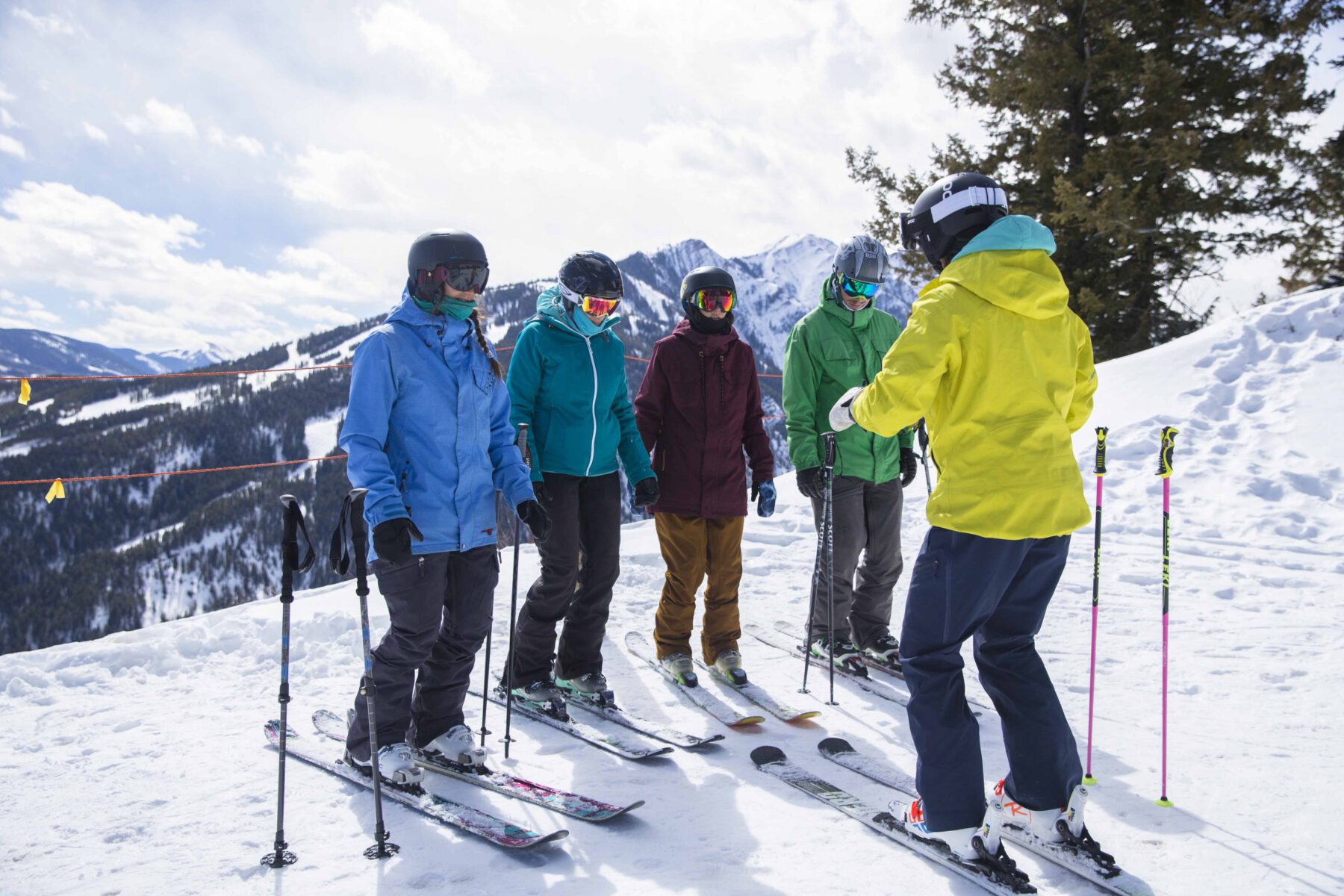
At PSIA-AASI, safety is foundational to who we are and how we teach. Our long-standing motto—Safety, Fun, and Learning—guides the way instructors across all disciplines are trained to lead meaningful experiences on snow. Certified instructors are taught to model the Responsibility Code, manage speed and space, and keep their students—and surrounding guests—safe.
But instructors can’t do it alone.
When Awareness Breaks Down
Many of today’s slope safety challenges stem not from a lack of skill, but from a lack of awareness. Excessive speed in congested areas, skiing or riding out of control, and failure to manage space around others can significantly increase risk.
For many guests, the mountain already comes with built-in stressors: variable snow conditions, weather, terrain, and concerns about personal ability. When the added fear of a potential collision enters the equation, anxiety can increase dramatically, diminishing confidence, enjoyment, and overall experience.
Slope safety, at its core, is about reducing unnecessary stress so everyone can enjoy the mountain together.
A Dedicated Approach at Steamboat Resort
I live and work in Steamboat and an essential part of my role as Director of Education for PSIA-AASI is staying connected at the snow level and in the locker room. I have the pleasure to help out with instructor training and teach guests during busy times. This season, Steamboat Resort has taken a proactive and intentional step by creating a dedicated Mountain Safety Team, a move driven by both guest feedback and a clear-eyed understanding of modern mountain dynamics.
Vice President of Mountain Sports Nelson Wingard, a PSIA-AASI National Team alumnus, spoke passionately about the increasing need to devote focused resources to guest safety. He noted that guest safety consistently ranks as one of the largest categories of feedback the resort receives.
Traditionally, ski patrol has carried the responsibility for enforcing safety on the mountain. While that remains true, Wingard acknowledged a growing challenge: patrol teams are often stretched thin, with their primary duty of care centered on injury response and emergency management.
As Wingard shared, patrol’s first responsibility must always be caring for injured guests. Having a dedicated Mountain Safety Team to support patrol—along with other departments such as ambassadors and snowsports school—creates a stronger, more visible emphasis on guest safety. Since its launch, even with limited terrain and heavy traffic, guests are already responding positively to this effort to support their well-being.
The Catalyst: Safety as Guest Experience
Vice President of Mountain Operations Corey Peterson identified guest experience as a key driver behind the creation of the Mountain Safety Team. For Peterson, safety and guest experience are inseparable.
“Increasing guest safety on the mountain leads directly to a better, more positive overall guest experience,” he emphasized.
Peterson champions a team approach across all resort departments, encouraging employees to view safety as everyone’s responsibility. Under this philosophy, the Mountain Safety Team actively collaborates with snowsports school, patrol, ambassadors, lift operations, and other departments, reinforcing consistent messaging and shared goals.
This cross-departmental alignment is intentional. When guests hear the same message—from instructors, patrollers, lift operators, and safety team members—it begins to shape culture.
Education, Awareness, and Enforcement
Mountain Safety Team Manager Chia Basinger reinforced a theme echoed by all three leaders: this initiative is not about simply being “speed police.”
Instead, it’s about education, awareness, and community connection.
The team focuses on helping guests understand how their actions may be perceived by others—particularly how speed, proximity, and unpredictability can create anxiety for those around them, even if no collision occurs.
Basinger believes deeply that a shared experience is possible on busy mountains when guests recognize their role in creating that environment. This approach reframes safety conversations from confrontation to collaboration.
“Space and Speed”: Culture in Action
That philosophy comes to life through the Mountain Safety Team’s guiding mantra: “Space and Speed.”
Aaron Sanford, one of two full-time Mountain Safety Team supervisors, described it simply and powerfully. The goal is to facilitate a culture of safety through education, awareness, and enforcement—when necessary.
Sanford brings a unique perspective to the role. A former instructor and winter sports club coach, he spent years coaching U13 and U15 athletes, intentionally teaching them to be role models—skiing in control, respecting others, and understanding that performance comes with responsibility.
Today, Sanford says most guests he interacts with are overwhelmingly positive about the program and appreciative of the focus on keeping everyone safe.
Community and Club Culture
One of the most compelling aspects of Steamboat’s approach is its engagement with the Steamboat Springs Winter Sports Club (SSWSC).
There is a long-standing perception at many resorts that athletes skiing in club jackets are fast—and sometimes reckless. Whether fair or not, that perception matters.
What Steamboat is doing differently is addressing it head-on through communication and partnership. The Mountain Safety Team has been actively connecting with club coaches and athletes, reinforcing the idea that being highly skilled also means being highly responsible.
Athletes, by virtue of their visibility and ability, have an opportunity to lead by example—demonstrating control, courtesy, and awareness in public spaces.
This aligns closely with the work of U.S. Ski & Snowboard Coaches Education, where coaches are increasingly recognized not just as performance developers, but as cultural leaders. Teaching etiquette, Responsibility Code application outside of training venues, and professional conduct on open terrain is essential.
When young athletes understand that excellence includes awareness and respect, they become ambassadors for the sport rather than sources of conflict.
Equipment Technology, Grooming, and Modern Risk
Other important factors contributing to slope safety include equipment technology and slope preparation through grooming.
Modern skis, snowboards, and boots allow many guests to go faster, with more stability, and in more terrain than ever before—sometimes beyond what their skills or decision-making can support. This technological advantage can create a false sense of security. As a result, understanding how much space is needed, when to slow down, and how to avoid getting too close to others has never been more important.
Additionally, improved grooming can place guests on slope pitches beyond their true control level. The Responsibility Code’s first point reminds us to “always stay in control.” Not everyone understands that control means managing speed, direction, and stability—allowing you to stop, turn, and adapt to terrain and conditions while staying aware of others.
Education around space and speed must evolve alongside equipment and grooming.
Learning from Others
Although new this season, Steamboat didn’t build its Mountain Safety Team in isolation. The resort looked to established programs at Mammoth, Palisades Tahoe, Copper Mountain, and Vail when designing its approach.
Currently, the program includes seven paid employees and 28 volunteers, with plans to at least double the team in the coming years—an indication of both early success and long-term commitment.
A Shared Responsibility
Slope safety is not the responsibility of any one group. It’s a shared commitment among instructors, patrollers, coaches, resort staff, club athletes, and guests.
At PSIA-AASI, we remain committed to developing instructors who lead by example—who model control, courtesy, and care for others. We applaud Steamboat Resort for investing in an education-driven safety culture and for demonstrating how a community-based approach can enhance the guest experience for everyone.
Keeping our slopes safe for all to enjoy will require an industry-wide effort to truly move the needle.
As we recognize National Ski Safety Awareness Month, let’s continue working together to ensure our mountains remain places where Safety, Fun, and Learning truly coexist.