

By Peter Kray
There’s no shortage of great storylines heading into the 2026 Winter Olympic Games in Milano Cortina, Italy, this February. From American superstar Lindsey Vonn’s fearless return to the high-stakes, high-speed world of super G and downhill racing at the age of 41 – and with a partially replaced knee – to the introduction of dual moguls and ski mountaineering as official competitions, there’s going to be plenty of up and downhill action.
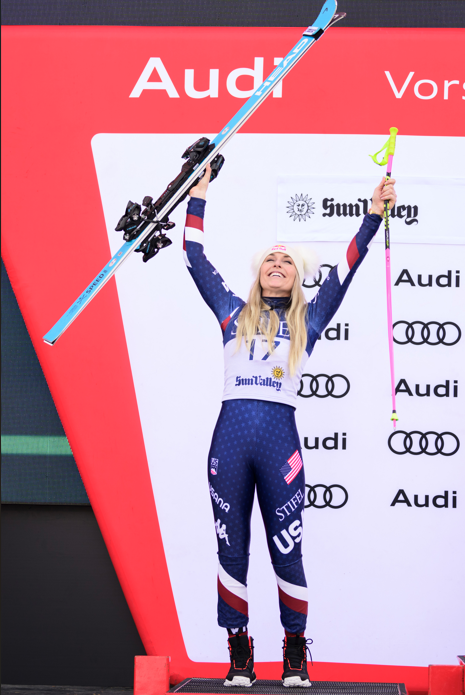
For snow pros, the biggest thrill of all could be the opportunity to practice some Olympic-level movement analysis (MA) as they watch the best winter athletes in the world go arcing across their television. With that once-every-four-year teaching bonanza in mind, we asked some of the best snowsports instructors on the planet what events they’ll be watching, and just how they think it might help augment their own instruction skills this season.
Enjoy the Games!
Giant Slalom, PSIA Alpine Team Member A.J. Oliver
How to Watch the Race: It’s been said that the giant slalom turn is the mother of all turns. It’s also one of my favorite events to watch. For me, the fun of watching a ski race is when you can see a skier is fast without waiting for the next split time to pop up on the screen. When I’m watching giant slalom, the first thing my eye is drawn to is the finish of the turn. More successful skiers can release their skis early and make transitions look effortless, while the skiers that struggle will get stuck on their old edges and look sluggish. Finishing a giant slalom turn early, cleanly, and with direction separates the elite athletes from the rest.
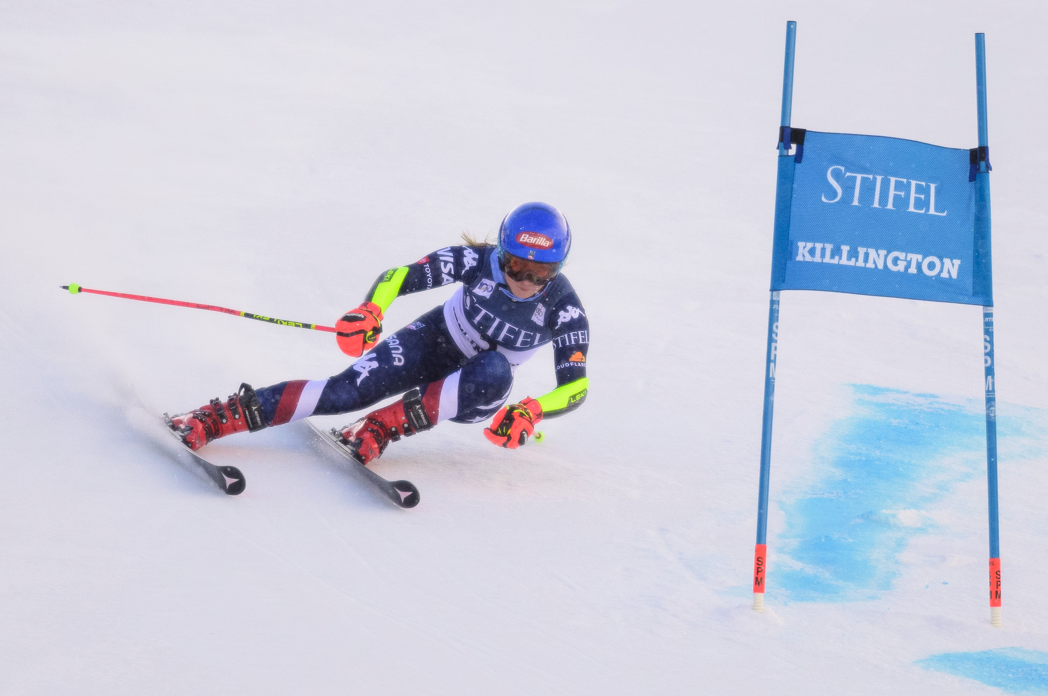
How to Make It a Technical Advantage: You will see a lot of different technical approaches at the Olympics, but don’t get bogged down by the details. Watch for stable upper bodies, balanced stances, and continuous movement (i.e., not getting stuck). These skiers align to, and balance on, the new ski early to create a shape higher in the turn. This sets them up with the direction they need to release the skis early and move to the new turn.
How It Can Help Your Students: While our students’ objectives are much different than those of a World Cup racer, the same concepts apply. Many students in the beginner to intermediate zones struggle to release the old edges and move down the hill. A stable upper body, balanced stance, and the ability to move with your skis from turn to turn can help those students release more easily and become more confident and effective as they progress to steeper terrain.
Snowboard Halfpipe, AASI Snowboard Team Member Cori Lambert
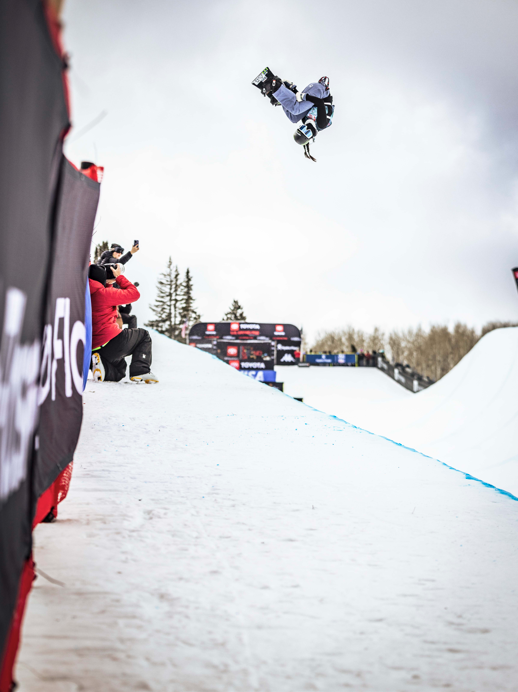
How to Watch the Competition: If you’re going to watch the Olympics, you should definitely watch the halfpipe! It’s one of the most technical and dangerous events in snowboarding, demanding incredible stamina, strength, accuracy, power, and of course, style. To qualify, athletes compete in FIS World Cup qualifiers and World Championships, earning points and striving to finish in the top 30 to get noticed. Up to eight men and women can earn a coveted Olympic spot. Selectors also consider attitude, consistency, and injury history. Watch live on NBC, stream on Peacock, or catch every run on the NBC Olympic App.
.
How to Make It a Technical Advantage: With 22-foot walls and a 64-foot width, the Superpipe demands precise, technical riding. It’s no surprise there are only six halfpipes left in the United States. Riders typically use longer, full-camber boards for better edge control, contact, and stability on takeoffs and landings. Line choice is crucial and speed helps determine height above the lip. Along with the manipulation of DIRT (Duration, Intensity, Rate, and Timing), athletes can showcase spins, flips, height and more.
How It Can Help Your Students: Students and pros alike all start somewhere. The foundation of halfpipe riding lies in accurate carving and being able to change up the DIRT to achieve the desired outcome. Teaching students to analyze line choice and understand tilt throughout the pipe helps them navigate not only the halfpipe, but also carving, euro carves, revert carves, quarter pipes, and ice. With proper board choice and carving mastery, you can build a strong halfpipe foundation, even without prior experience or access to a halfpipe.
This is an excerpt from an article published in the Winter 2026 Issue of 32 Degrees. To access the full issue, please follow this link.