

This feature, by Delia Roberts, appears in the Spring 2025 issue of 32 Degrees.
***
Protein intake is a popular topic these days. It seems that everyone from celebrities to healthcare professionals have something to say about the benefits of consuming a high-protein diet. None of us want to miss out on an easy health boost, but there are concerns that high protein diets might have some negative consequences. Add in the high cost of most foods rich in protein, and it becomes important to think about the “what,” “when,” and “why” of how much protein you really need for optimal muscle mass and health.
What Is Protein?
Protein is an important part of our dietary needs. It’s one of the four major biological macromolecules along with carbohydrates, fats, and nucleic acids. Made up of smaller units called amino acids, proteins are important structurally and as catalysts to help all the biochemical reactions that take place in our bodies proceed. We can make some amino acids, but others – known as essential amino acids – need to come from our diet. Animal proteins contain all the essential amino acids, but most plant proteins contain only a subset. However, because some plants are rich in different amino acids, we can get all the essentials by combining a variety of plant-based foods.
When we eat protein, our digestive system breaks the macromolecule down into smaller pieces called peptides, and eventually the amino acids are released to be used throughout the body. Muscles are the largest protein-based tissue, but proteins also help control most body processes, making protein essential for good health and function. However, like any other type of food, if we eat more protein than we need for building tissues, enzymes, and other molecules, the extra amino acids are used for energy and stored as fat. Thus, excess dietary protein can become an expensive source of calories.

How Much Protein Do We Need?
The recommended protein intake for adults in the United States is 0.8 grams/kilograms body weight/day.1 Based on data from the National Health and Nutrition Examination Survey (NHANES) 2017-March 2020, most Americans meet this minimum standard. However, likelihood of insufficient protein intake increases as we age to as much as 30 percent of men and 50 percent of women over the age of 71.2
Whether this recommended daily allowance (RDA) is sufficient for optimal health has been brought into question. Much of the interest in increasing protein intake arose because people generally lose around 1 percent of muscle mass and about 3 percent of their strength every year beyond middle age.3,4 The loss of muscle accelerates further later in life, which can eventually lead to frailty, and all the complications that come with muscle weakness and the inability to move well. Furthermore, it takes a higher level of circulating amino acids to maintain muscle mass in older individuals than in younger people. Fortunately, though, many studies have shown that muscle atrophy and functional loss can be reduced by eating more protein.3,5
There’s also evidence that the original methodology used to estimate how much dietary protein is required to maintain a neutral level of protein balance in the body may have underestimated protein needs.4 Additionally, there are no adjustments for physical activity level in the RDA, and more recent research has shown that the amount of dietary protein required to maintain muscle changes with activity level, the type of activity, and the age and health of the individual.4,6 As far back as 2015, the European Society for Clinical Nutrition and Metabolism (ESPEN) issued a position statement advocating for an increase in the recommended daily intake of protein to at least 1.0 to 1.2 grams of protein/kilograms body weight/ day for adults and 1.2 to 1.5 grams of protein/kilograms body weight/day for older people, athletes, and those with health concerns.6 It’s likely that many Americans could improve their health by eating more protein.
Benefits for Snowsports Instructors
As occupational athletes, many of the benefits of consuming enough protein in the diet are especially relevant for snowsports instructors. The physical activity and nature of muscular contractions during skiing and riding cause small amounts of muscle damage that need to be repaired and rebuilt. Hence, there’s an increased need for the building blocks of muscle, amino acids. This happens because the effect of resisting gravity during downhill movement generates a high level of tension in the big muscles of the legs – which in turn causes microdamage within the muscle. These damaged fibers are digested away and then laid down in a new, stronger fashion. Some of the new muscle is built using recycled amino acids released during the digestion stage when damaged muscle fibers are removed, but recycling is inefficient and new amino acids are also needed.
In addition, if the supply of amino acids is abundant, it can help to stimulate rebuilding over breakdown, and the net accumulation of muscle is higher.
Including some protein in all meals and snacks can also improve on-snow performance and reduce the risk of injury by stabilizing blood sugar. Protein slows down the digestion of carbohydrates, so that the glucose molecules that make up carbohydrates are released at the right rate for muscle to use as an energy source during skiing and riding. This helps to keep insulin levels low and prevents the post-meal hangries or lassitude. In addition, once a carbohydrate has been used up, amino acids can also be broken down to produce glucose for energy. In the absence of dietary sources, the body will cannibalize muscle for amino acids to meet this need. Thus, consuming meals and snacks high in protein and complex carbohydrates can provide for your energy needs and help to maintain your muscle.
Stabilizing blood sugar via a high-protein diet has another important benefit for snowsports instructors. Both the nervous system and the immune systems rely on blood sugar as their main energy source. When blood sugar falls, the stress hormone cortisol is released and acts to suppress the immune system. While this action preserves blood sugar supplies for the all-important nervous system, it has the drawback of leaving us more susceptible to the flu and colds that seem to constantly circulate through the locker room. Thus, a high-protein diet can help keep instructors alert with fast reactions, and boost immunity by ensuring an adequate fuel supply to both the nervous and immune systems.
Why Not Eat More Protein?
While consuming more protein is beneficial for retaining muscle and strength, concerns have been raised about eating more than the RDA of 0.8 grams protein/kilograms body weight/day. Long-term, large population studies have found strong associations between the consumption of higher levels of protein and increased risk levels for obesity, diabetes, cardiovascular disease, and some cancers.7
However, when the type of protein being eaten was considered, it was the intake of animal proteins (especially red and processed meats) that was linked with the likelihood of developing and dying from these diseases. There are certain amino acids found in larger amounts in red meat, including the branched chain amino acids and methionine. These amino acids are used in signaling muscle synthesis in a positive way, but because they also act in regulating cell growth and metabolism, autophagy (digestion) of stress and age-damaged cells, and insulin signaling, in some cases excesses can lead to disease.7
Additional studies have shown that a higher level of plant protein intake can have the opposite effect and lower the risk of cardiovascular disease, diabetes, and cancer.7 In fact, every 3 percent replacement of calories from animal or dairy protein, carbohydrates, or fats with plant protein further decreased the odds of developing a disease by 1.22-1.58 times compared to not replacing the calories with plant protein.
On a practical level, this means that for someone consuming around 2,000 calories per day, substituting just 60 calories of plant-based protein for a normally consumed animal protein, carbohydrate, or fat on a daily basis can lower the risk of disease by up to 50 percent. For example, swapping out one egg or 1½ strips of bacon for a ¼ cup of lentils every day could significantly improve your chances of healthy aging, including maintaining better mobility, vitality, and mental health, as well as lowering the use of health services.5
Scientists and clinicians also used to believe that eating too much protein could increase the risk of damage to the kidneys because when amino acids are broken down, they release nitrogen groups excreted in the urine as urea.8 The concern was that increased urea filtering would require increased blood flow through the kidneys. In turn, this could damage the delicate tissues within the kidneys that clear wastes from blood. Thus, a low protein diet was recommended for people with kidney disease, and the popular press still frequently reports that high protein intake might increase the risk of healthy people developing kidney disease.9 However, more recent studies examining protein intake and chronic kidney disease clearly show that a higher intake of protein is associated with a lower risk of kidney disease and mortality, especially when the dietary proteins came from plants or fish and seafood.8,10
Increasing Your Protein Intake
Following the RDA for daily protein intake, a person weighing around 70 kilograms (155 pounds) would need to eat about 55 grams of protein every day (about 9 eggs), and a person weighing around 90 kilograms (200 pounds) would need to eat 75 grams (1½ chicken breasts). The optimal level of protein consumption for athletes and those over 40 years of age is now thought to be nearly double that amount at up to 1.5 grams/kilograms/day.6 That’s quite a bit of protein!
In reality, very few people have the time or inclination to measure out their meals by weight and calculate how much protein they’re consuming. It also gets tricky with timing. In the Western world, we typically consume most of our daily protein during the evening meal, but some studies have shown that it’s better for health and muscle mass to consume protein in smaller amounts of around 20-30 grams spread out over the day.
The latest research doesn’t support this finding.11,12 Instead, when data from multiple studies was pooled and re-examined, it seems that the timing and amount of protein consumed at each individual meal and snack doesn’t seem to matter as long as enough protein is consumed.11,12 Confusing right? So, it might be better to take a simpler approach of adding extra protein to each meal and snack – especially from plant-based foods or fish – to retain muscle and get the health boost you want.
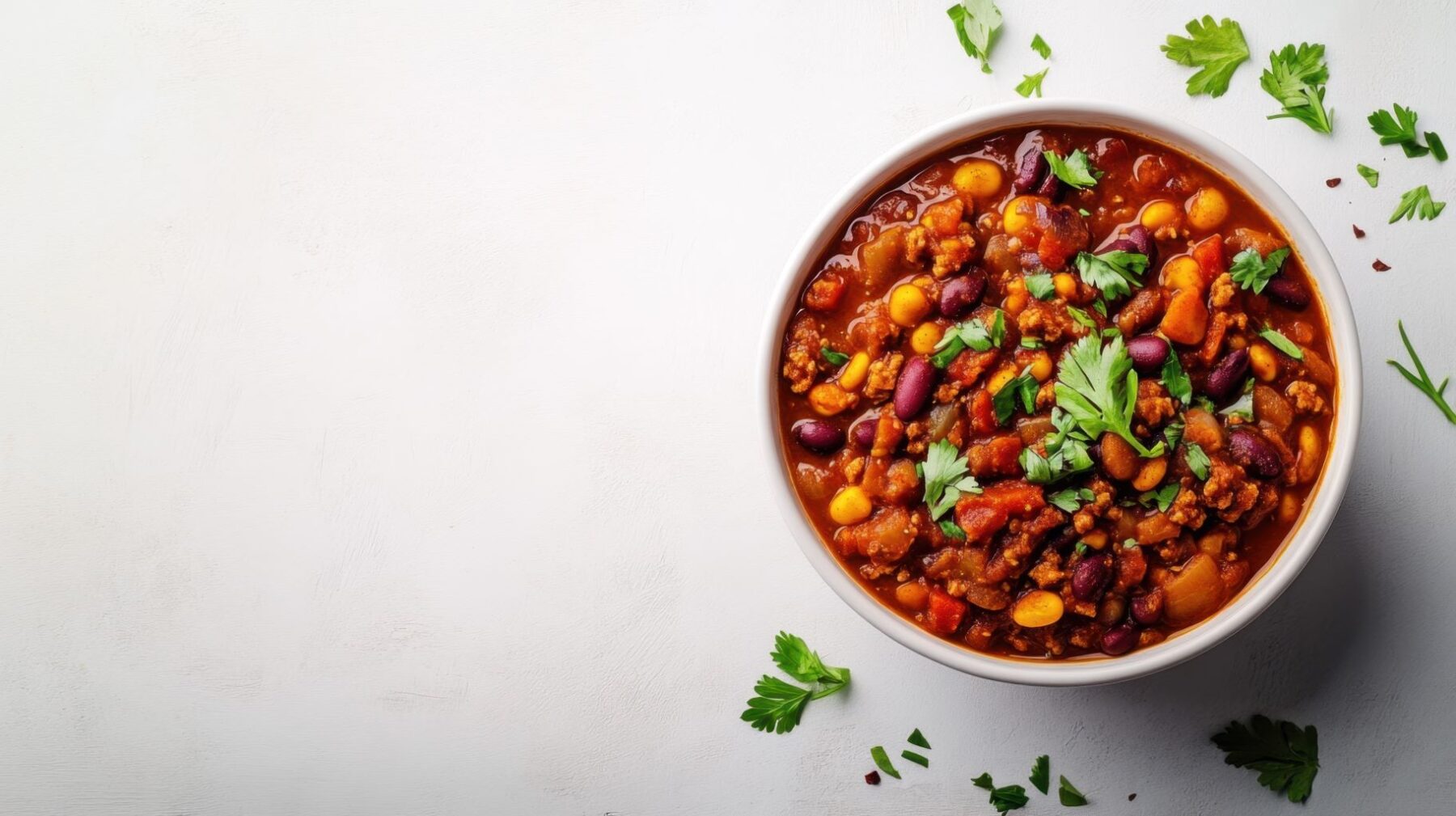
Adding a few lentils or beans to any soup, stew, or casserole won’t affect the taste but can add a health boost from plant-based protein. Puréed beans or tofu added to sauces act as a thickener and provide a richness that you’d think comes from butter or cream. You can even add them to baked goods, and you’ll never know they’re there! Try increasing the protein content of muffins or quick breads by adding some puréed beans or a cup of dry milk powder and substituting some of the oil with extra egg whites or Greek yogurt. Top your salad with a tin of tuna, salmon, or lentils, or mash tinned fish with a bit of yogurt, lemon juice, and some spices to make an excellent sandwich or wrap filling.
Cooked beans also make a delicious sandwich spread. Hummus is a good source of protein or make your own version by blending beans with a dollop of tahini or peanut butter, puréed roasted peppers, oregano, and smoked paprika. Replace the peppers with roasted eggplant and the spices with cumin, coriander, and garlic, or be creative and come up with your own favorite flavors. The beans in these spreads eaten together with whole grain bread or a wrap can make your meal full of high-quality protein.
Have you ever tried quinoa instead of rice at dinner? It adds 8 grams of protein to your meal instead of 4 grams. For breakfast, a simple, easy, and delicious way to add 5 grams of protein is to top your oats with a tablespoon of hemp, chia seed, or chopped nuts. Fruit and Greek yogurt also make excellent topping for cereal bowls or pancakes. It doesn’t take much to add a little extra protein to your meals, but the benefits can be significant.
Plant-based proteins are inexpensive and with a bit of creativity can bring an extra dose of nutrients to your meals. You don’t need to supplement with expensive protein powders or worry about the exact amount and distribution of protein intake during the day. It’s more likely that you’ll stick with this healthy dietary change if you simply add a protein-rich food to each meal or snack. There are lots to choose from and the health benefits are huge. Give it a try!
Delia Roberts has a Ph.D. in exercise biochemistry and a research fellowship with the American College of Sports Medicine. She worked with Canadian Olympians prior to completing foundational research into the occupational athlete. Her industry-specific injury prevention and performance enhancement program – “Fit for Snow” – has been helping snowsports instructors for more than 10 years.
NOTES:
1. Institute of Medicine. “Dietary Reference Intakes for Energy, Carbohydrate, Fiber, Fat, Fatty Acids, Cholesterol, Protein, and Amino Acids.” National Academies Press. Washington, D.C.: 2005. Available from: http://tiny.cc/py16001
2. USDA, Agricultural Research Service, 2019. “Usual Nutrient Intake from Food and Beverages, by Gender and Age, What We Eat in America, NHANES 2013- 2016.” Available from: http://tiny.cc/uy16001
3. Wilkinson, DJ, M. Piasecki, and PJ Atherton. “The Age-Related Loss of Skeletal Muscle Mass and Function: Measurement and Physiology of Muscle Fibre Atrophy and Muscle Fibre Loss in Humans.” Ageing Research Reviews. 2018. 47:123-132. Available from: http://tiny.cc/yy16001
4. Lonnie, M., E. Hooker, JM Brunstrom, et al. “Protein for Life: Review of Optimal Protein Intake, Sustainable Dietary Sources and the Effect on Appetite in Ageing Adults.” Nutrients. 2018. 10(3), 360. Available from: http://tiny.cc/3z16001
5. Ardisson Korat, AV, M. Shea, PF Jacques, et al. “Dietary Protein Intake in Midlife in Relation to Healthy Aging – Results from the Prospective Nurses’ Health Study cohort.” The American Journal of Clinical Nutrition. 2024. 119(2), 271-282. Available from: http://tiny. cc/5z16001
6. Deutz, NE, JM Bauer, R. Barazzoni, et al. “Protein Intake and Exercise for Optimal Muscle Function with Aging: Recommendations from the ESPEN Expert Group.” Clinical Nutrition. 2014. 33(6):929-936. Available from: http://tiny. cc/9z16001
7. Kitada, M., Y. Ogura, Y. Monno, et al. “The Impact of Dietary Protein Intake on Longevity and Metabolic Health.” The Lancet. 2019. 43, 632-640. Available from: http://tiny.cc/bz16001
8. Cheng, Y., G. Zheng, Z. Song, et al. “Association Between Dietary Protein Intake and Risk of Chronic Kidney Disease: A Systematic Review and Meta-analysis.” Frontiers in Nutrition. 2024, 11. Available from: http://tiny.cc/fz16001
9. Willmoth, H. “Protein Per Day: How Much to Build Muscle?” Newsweek. Published Oct. 14, 2024. Available from: http://tiny.cc/lz16001
10. Carballo-Casla, A., CM Avesani, G. Beridze, et al. “Protein Intake and Mortality in Older Adults With Chronic Kidney Disease.” JAMA Network Open. 2024. 7(8):e2426577. Available from: http://tiny.cc/qz16001
11. Agergaard, J., TEH Justesen, SE Jespersen, et al. “Even or Skewed Dietary Protein Distribution Is Reflected in the Whole-Body Protein Net-Balance in Healthy Older Adults: A Randomized Controlled Trial.” Clinical Nutrition. 2023. 42(6), 899-908. Available from: https://www.clinicalnutritionjournal.com/article/ S0261-5614(23)00110-3/fulltext
12. Hettiarachchi, J., EM Reijnierse, N. Ke, et al. “The Effect of Dose, Frequency, and Timing of Protein Supplementation on Muscle Mass in Older Adults: A systematic Review and Meta-Analysis.” Ageing Research Reviews. 2024. 99, 102325. Available from: http://tiny.cc/xz16001